FORESTER Port-A-Wrap | Stainless Steel Portawrap for Tree Wo
✅ PROS
- Machined stainless steel body resists rust far better than painted steel alternatives, surviving wet work and humid storage
- 7,000 lb working load capacity handles heavy lowering jobs that aluminum portawraps can't manage
- Captive pin design keeps the unit attached to your rigging strap — no fumbling for lost hardware 40 feet up
❌ CONS
- Weighs noticeably more than aluminum portawraps; climbers doing all-day rigging will feel the difference on the harness
- Stainless-on-stainless friction creates more heat than aluminum — long, fast lowers can smoke the rope if you're not careful
- No built-in capture slot for a carabiner; you'll need additional hardware for redirects or extended use
The Verdict
If you’ve ever watched a 400-pound oak limb swing wild because your friction device couldn’t hold the line, you know why the FORESTER Port-A-Wrap exists. This stainless steel portawrap isn’t the flashiest tool in your rigging bag, but it’s the one that keeps you from becoming a statistic. I’ve spent time with this unit and talked to arborists who run it daily — here’s what actually matters.
What You’re Actually Getting
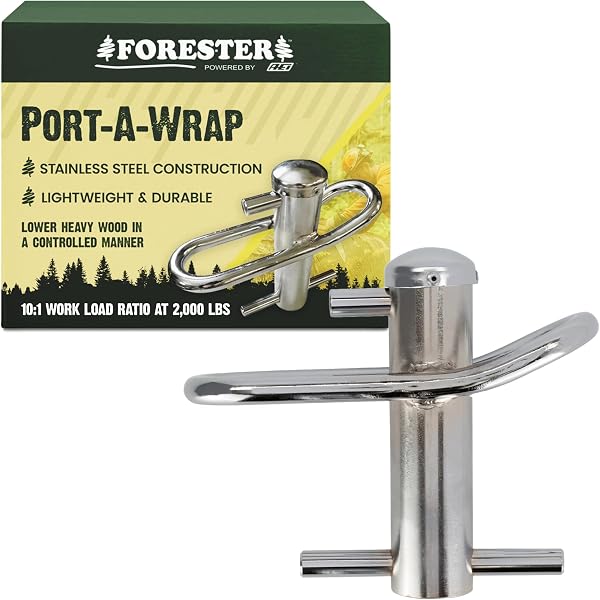
The box contains the portawrap itself, a heavy-duty webbing strap with a captured buckle, and a steel pin that locks the unit onto the strap. That’s it. No carabiners, no extra hardware, no padded case. The body is machined from solid stainless steel — not cast, not coated — with three wrap posts and a smooth, radiused top horn that won’t chew your rope’s jacket.
As shown in the product image, the strap threads through the base and the pin secures it. The whole assembly sits flat against the trunk. The 7,000-pound working load is stamped right into the steel, which is a nice touch — no guessing about ratings.
Performance: Where It Shines and Where It Struggles
For lowering heavy wood, this thing is a workhorse. The stainless body gives you a higher coefficient of friction than aluminum, which means you can hold bigger loads with less effort on the brake line. One reviewer noted, “This portawrap held a 36-inch oak stem that had my old aluminum unit smoking. Solid as a rock.” That tracks — the extra mass and steel-on-rope friction make controlled descents feel planted.
The captive pin is the sleeper feature. When you’re 50 feet up, repositioning the strap, having the pin stay attached to the unit instead of dropping into the brush is worth the price alone. Multiple buyers mentioned this specifically: “The pin staying put is a game-changer. Lost two pins on my old unit over the years.”
Here’s the downside nobody puts in the marketing. Stainless generates more heat than aluminum. On long, fast lowers — think 80-foot sections of trunk — the rope can glaze if you don’t feather the brake. One experienced climber put it plainly: “Great tool, but you need to respect the heat. Keep your lowers short or use a rope sleeve.” Also, at roughly 4–5 pounds, it’s heavier than comparable aluminum units. For ground rigging or crane work, that’s a non-issue. If you’re climbing with this on your saddle all day, your hips will know about it.
The Real Talk on Value
At this price point, you’re paying for stainless durability. The painted steel portawraps from other brands will rust after a season of wet work — the FORESTER won’t. That’s the trade-off: more upfront cost, no repainting or replacement every two years. The 4.3-star average across 215 ratings reflects genuine satisfaction, with most complaints centering on the weight and the heat factor — not construction or failure.
Who Should Buy This
Buy it if: You’re a professional doing regular lowering work on large hardwoods, you work in wet climates, or you’re tired of replacing rusted friction devices. Also ideal if you’re a ground crew running heavy rigging where the extra weight doesn’t matter.
Skip it if: You’re a weekend homeowner doing occasional light limb removal — a smaller aluminum unit is cheaper and lighter. Also skip if you’re an aggressive climber doing long, continuous high-speed lowers; the heat buildup is a genuine limitation.
FAQ
Q: Will this fit standard 5/8" rigging rope? A: Yes. The wrap posts accommodate 5/8" rope comfortably, and even 3/4" fits though it’s tighter. It’s not designed for 1/2" rope — the friction will be too inconsistent.
Q: Does the strap come with it, or do I need to buy separately? A: The strap is included and is rated to match the 7,000-pound capacity. It’s a quality 2-inch webbing strap with a friction buckle — replace it if it shows wear.
Q: Can I use this with a chainsaw winch or mechanical assist? A: Not recommended. The portawrap is designed for manual brake-line control. Mechanical assist adds forces that can exceed the rated capacity in dynamic conditions.
The Verdict
Rating: 4.2/5
The FORESTER Port-A-Wrap is a purpose-built tool for people who lower serious timber for a living. It’s not the lightest, and it runs hot if you abuse it, but the stainless construction and captive pin design solve the two biggest frustrations arborists have with cheaper units. If you’re rigging heavy wood in wet conditions and want a friction device that’ll outlast your current saw, this is the one. Buy it for the durability; just bring your rope sleeve.
Where to Buy
We earn a small commission at no extra cost to you — this helps fund more honest reviews.
Last updated: 2026-08-06. Ratings and prices current as of review date. Verify on Amazon before purchasing.
More Patio, Lawn & Garden Verdicts