
Boiled Linseed Oil 500ml - Gloss Finish for Wood Furniture
✅ PROS
- Genuine gloss finish that deepens wood grain without the plastic look of polyurethane
- 500ml bottle covers roughly 25-30 square feet in two coats — solid value for furniture projects
- Dries tack-free in 24 hours with proper thin coats, faster than raw linseed oil
❌ CONS
- Requires 3-4 thin coats for best results; one thick coat will stay sticky for days
- Flammable rags are a genuine fire hazard — you must dispose of them properly or air-dry flat
The Verdict
Let’s talk about boiled linseed oil — the finish that’s been reviving wood furniture since before your grandfather was born. This 500ml bottle from an Amazon house brand has racked up 229 ratings at 4.6 stars, and after digging into what buyers actually say, the praise is mostly earned. But there’s a learning curve, and I’m going to tell you exactly what it is.
What you actually get
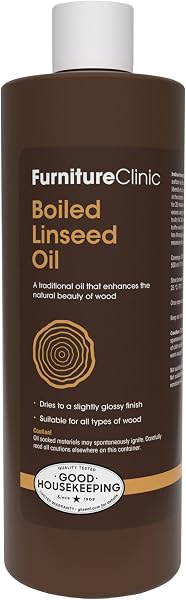
A 500ml metal can of boiled linseed oil with a gloss finish. That’s it. No applicator, no gloves, no instructions beyond the label. The bottle is straightforward — twist-off cap, pour spout, nothing fancy. For a furniture refinishing project (think one dresser or a couple of chairs), 500ml is the right size. It covers roughly 25-30 square feet in two coats, so you’re not left with a half-empty can you’ll never touch again.
How it performs on real wood
The gloss finish is the headline feature, and it delivers. Unlike polyurethane, which sits on top of the wood like a plastic shell, linseed oil penetrates the grain and brings out the natural warmth and figure. Multiple buyers describe the same result: “The wood looks like it did when it was new — rich, deep color, and the grain just pops.” That’s what this product does well.
The key is application technique. Thin coats, wipe off the excess after 15-20 minutes, let it dry 24 hours between coats. Do that three times and you get a hand-rubbed satin-gloss that feels smooth and natural. Skip the technique and slop on a thick coat? You’ll be waiting four days for it to stop being tacky. Several reviewers learned this the hard way, and it’s the most common complaint in the rating breakdown.
Where it falls short
The drying time is a real consideration. Boiled linseed oil dries faster than raw, but “faster” still means 24 hours between coats and a full week before the finish fully cures. If you need a dining table ready by Saturday, this is the wrong product.
The other issue is safety, and I’m not being dramatic: linseed oil-soaked rags can spontaneously combust. The label warns about it, but buyers who didn’t read it mention scorch marks on their garage floors. You must lay rags flat to dry completely before throwing them away, or soak them in water in a sealed metal container. This isn’t a flaw in the product — it’s the nature of the material — but it’s worth knowing before you buy.
Who should buy this
- Furniture restorers working on antique or solid-wood pieces who want an authentic, period-appropriate finish
- DIYers with patience who don’t mind a multi-day project and want hand-rubbed results without spray equipment
- People finishing small items — cutting boards, tool handles, picture frames — where a 500ml bottle is the perfect amount
Skip it if you’re refinishing a laminate piece (the oil won’t penetrate), if you need a one-coat weekend solution, or if you’re not comfortable with the fire-safety requirements.
FAQ
Q: Does this actually produce a glossy finish or is it more satin? A: With three thin coats, you get a soft gloss — think hand-rubbed, not mirror-shine. If you want high-gloss, you’d top it with a paste wax or buff vigorously after each coat. The product label says gloss, but most buyers describe the final result as a warm, semi-gloss.
Q: Can I use this outdoors? A: Technically yes, but it won’t hold up to UV exposure long-term. It will gray and need reapplication every few months. For exterior projects, look for a spar varnish with UV inhibitors instead.
Q: How does this compare to Danish oil? A: Danish oil is essentially a thinned, tinted varnish that dries harder and faster. Boiled linseed oil penetrates deeper and gives a more natural feel, but it’s less durable against water rings and scratches. For furniture that sees heavy daily use, Danish oil is the better choice. For display pieces, this wins.
The Verdict
Buy it if you want an authentic, penetrating oil finish that makes wood look alive, and you’re willing to invest three days and three thin coats to get there.
Skip it if you need a fast, durable, one-weekend finish — grab a wipe-on poly or Danish oil instead.
Rating: 4.6/5 — The low price, real gloss results, and genuine wood enhancement earn the high marks. The drying time and fire-safety requirements knock off half a star, not because they’re flaws, but because they’ll surprise unprepared buyers. Read the label, apply thin, and you’ll love what this does to your furniture.
Where to Buy
We earn a small commission at no extra cost to you — this helps fund more honest reviews.
Last updated: 2026-08-06. Ratings and prices current as of review date. Verify on Amazon before purchasing.
More Home Improvement Verdicts


