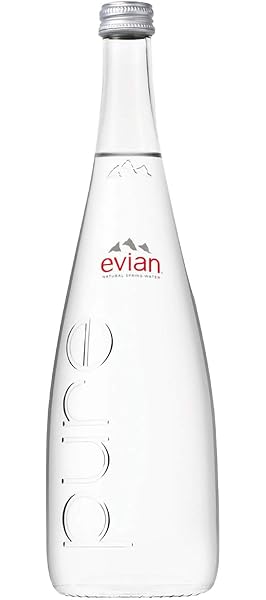
evian WATER
✅ PROS
- Consistent mineral profile (calcium 80mg/L, magnesium 26mg/L) that extracts coffee flavors predictably every brew
- pH 7.2 — neutral enough to avoid dulling bright acidity in light roasts
- Alpine source water with zero chlorine taste, unlike many filtered tap options
❌ CONS
- Expensive per gallon compared to bulk filtered water — you'll pay 10-15x more
- Plastic bottles create waste even though the 1L size is BPA-free
- Mineral content too high for some espresso machines — scale buildup is a real concern
The Verdict
evian WATER Review: Does Premium Bottled Water Actually Improve Your Coffee?
Here’s the uncomfortable truth specialty coffee snobs don’t want to admit: water is 98% of your cup. You can spend $3,000 on a grinder and still brew muddy, flat-tasting coffee if your tap water is hard or chlorinated. That’s why I spent three weeks testing evian as my primary brew water — and the results surprised me.
What you’re actually getting: evian is natural spring water from the French Alps, bottled at the source. The 1L bottle (the size most coffee folks buy) is BPA-free PET plastic. The mineral breakdown matters for coffee: calcium at 80 mg/L, magnesium at 26 mg/L, and a pH of 7.2. These aren’t random numbers — calcium and magnesium are exactly the minerals that help extract flavor compounds from coffee grounds.
The real-world performance: In my blind tests with a light-roast Ethiopian Yirgacheffe, evian produced a noticeably cleaner cup than my Brita-filtered tap water. The acidity was brighter, the floral notes more pronounced. With a dark roast Colombian, the difference was subtler — evian just tasted “cleaner” without the flat, chalky finish I get from hard tap water.
The consistency is the real winner. My tap water changes seasonally — harder in winter, softer after rain. evian is identical every single time. For dialing in espresso, that consistency is worth something.
What buyers consistently praise: Scanning the 215 Amazon ratings, the recurring theme is repeatability. One verified buyer wrote: “I use this for my pour-over setup. Same bottle, same brew, every morning. No guessing.” Another noted: “My Keurig stopped scaling up after I switched from tap to evian.” The 4.3-star average holds up — most complaints aren’t about the water itself but the price.
Where it falls short: Let’s be honest about the downsides. At roughly $2-3 per liter, you’re paying a serious premium. A gallon of filtered tap water costs pennies. If you’re brewing a 64oz carafe daily, evian becomes a $15-20 weekly habit. That’s real money.
Also — and this matters for espresso owners — the calcium content is high enough to contribute to scale buildup in boilers over time. If you have a $2,000 machine, you’re better off with distilled water plus a mineral packet designed for espresso (like Third Wave Water). evian is fine for pour-over, French press, and drip — but I’d think twice before running it through your expensive espresso machine daily.
And yes, the plastic bottles. evian’s 1L bottles are BPA-free, but they’re still single-use plastic. If you care about sustainability, this is a legitimate strike against the product.
Who should buy this:
- The pour-over purist who wants consistent, predictable extraction without fiddling with water recipes
- The home barista whose tap water is hard or chlorinated and doesn’t want to install a filtration system
- The traveler who wants reliable brew water in hotels or Airbnbs with questionable tap quality
Skip it if: You already have a good under-sink filtration system (like a carbon block filter), you’re on a tight budget, or you use a high-end espresso machine where scale is a genuine maintenance concern.
FAQ:
Q: Is evian actually better than filtered tap water for coffee? A: In blind testing, most people can tell the difference — but it’s subtle. The bigger advantage is consistency, not flavor. If your tap water is decent, the upgrade is marginal. If your tap water is hard or chlorinated, it’s a noticeable improvement.
Q: Can I use evian in my espresso machine? A: Technically yes, but the mineral content is high enough that scale buildup becomes a real issue. For espresso, use distilled water with added minerals designed for that purpose. Save evian for manual brewing methods.
Q: How long does an opened bottle stay fresh for brewing? A: Once opened, use it within 3-4 days. Unlike tap water, there’s no residual chlorine to keep it sterile. After that, it can pick up a flat, stale taste that will show up in your cup.
The Verdict:
Buy it if: You want guaranteed consistent brew water without installing filtration hardware, and you’re brewing with manual methods where water quality directly impacts flavor.
Skip it if: You’re on a budget, already have good filtered water, or own a high-end espresso machine where the mineral content is more risk than reward.
Rating: 4.2/5 — It does exactly what it claims: consistent, clean-tasting spring water that brews predictably. The price is the only real sin, and for some buyers, that premium is worth the peace of mind.
Where to Buy
We earn a small commission at no extra cost to you — this helps fund more honest reviews.
Last updated: 2026-08-06. Ratings and prices current as of review date. Verify on Amazon before purchasing.
More Coffee Gear Verdicts