
How to Choose Home Improvement Projects: A Step-by-Step Guide

Quick Summary
Best overall for most home improvement projects: Barrina LED Shop Light FT — verdict 4.5/5. It delivers bright, linkable lighting without an electrician, making it a smart first upgrade for garages, workshops, and basements.
Home improvement can feel overwhelming. Between endless Pinterest boards, contractor quotes, and the fear of starting a project you regret, it’s easy to freeze up. But choosing the right project isn’t about luck—it’s about a repeatable process. This guide walks you through a step-by-step method to pick home improvements that add real value, improve your daily life, and fit your budget. We’ll also share concrete product recommendations—from lighting to sun protection—that solve common problems without breaking the bank.
We earn from qualifying purchases made through links on this page. Our verdicts are based on analysis of thousands of real Amazon reviews.
The Short Answer
Choose home improvement projects by prioritizing safety and function first, then energy efficiency and comfort, and finally aesthetics. Always start with a clear goal, a realistic budget, and a timeline. Use our five-step framework below to evaluate any project before you spend a dime.
Step-by-Step Guide to Choosing Home Improvement Projects
Step 1: Identify Your Core Motivation
Before you browse ideas, ask yourself: Why am I doing this? Common motivations include:
- Safety and health – fixing hazards, improving air quality, or addressing structural issues.
- Functionality – making a space work better for your daily routines.
- Energy efficiency – lowering utility bills and reducing environmental impact.
- Aesthetics – updating style or increasing resale value.
Your motivation will dictate the type of project and how you measure success. For example, if safety is the driver, a $30 non-slip mat might be more valuable than a $3,000 cosmetic remodel.
Step 2: Assess Your Space and Lifestyle
Walk through your home and take notes. What frustrates you daily? A dark garage, a cramped kitchen, or a sun-beaten patio? These pain points are your best clues. Consider how you actually use each room—not how you wish you used it. If you rarely cook, a kitchen remodel may not be the best ROI for your happiness. If you spend hours in the garage on projects, better lighting could transform your experience.
For outdoor spaces, think about sun exposure and comfort. If you or family members burn easily, shade or protective clothing might be a smarter first step than planting trees that take years to grow. For instance, a Roadbox Men’s UPF 50+ Sun Protection Shirt offers instant, portable sun protection for yard work or DIY projects outdoors—no construction required.
Step 3: Set a Realistic Budget (and Stick to It)
Home improvement budgets often balloon because of hidden costs. Use the 50/30/20 rule as a starting point: allocate 50% to must-do repairs, 30% to improvements that add value, and 20% to discretionary upgrades. Always add a 10–20% contingency for surprises. And remember: some of the most impactful projects are surprisingly affordable. A $40 LED shop light can make a dark workshop usable; a $20 kettle can upgrade your morning coffee ritual.
Step 4: Evaluate ROI and Daily Impact
Not all projects are created equal. Ask:
- Will this add resale value? Kitchens and bathrooms typically offer the best returns, but minor upgrades like lighting and hardware can also help.
- Will this improve my daily life? A well-lit garage or a comfortable workspace might not boost resale value, but it can make you happier every day.
- Is it reversible? Temporary or reversible changes (paint, lighting, fixtures) are lower-risk than structural changes.
For a deep dive on specific product performance, check our Barrina LED Shop Light review—it’s a prime example of a low-cost upgrade with outsized daily impact.
Step 5: Plan the Execution (DIY vs. Pro)
Some projects are DIY-friendly; others require a licensed pro. As a rule of thumb:
- DIY: painting, lighting swaps (that don’t require new wiring), shelving, landscaping, and simple fixtures.
- Pro: electrical work beyond swapping fixtures, plumbing, structural changes, and roofing.
If you’re unsure, consult a professional. The cost of fixing a botched DIY job often exceeds the savings.
Common Mistakes to Avoid
- Skipping the planning phase. Jumping into a project without a clear goal or budget leads to wasted money and unfinished work.
- Over-improving for the neighborhood. The most expensive house on the block rarely sells quickly. Match your improvements to your home’s value and local market.
- Ignoring maintenance. A new deck is great, but if you don’t seal it, it won’t last. Factor in ongoing upkeep.
- Chasing trends. Trends fade; classic, functional design endures.
- Forgetting safety. Especially for DIY, prioritize protective gear and proper tools. For outdoor projects, sun protection is non-negotiable—a UPF 50+ shirt is a simple safeguard.
- Not reading reviews. Before buying any product, scan real-user reviews for patterns of failure or disappointment. Our Cuisinart GK-1 Digital Gooseneck Kettle review is a good example of how we distill thousands of reviews into actionable pros and cons.
Product Recommendations for Common Home Improvement Needs
Based on our analysis of thousands of Amazon reviews, here are three products that solve specific problems well. Each is a smart addition to your home improvement toolkit.
Barrina LED Shop Light FT
Verdict: 4.5/5 | Amazon Rating: 4.7/5 (25,183 reviews)
If your garage, workshop, or basement feels like a cave, this is the fix. The Barrina LED Shop Light links together with included cables—no junction box or electrician needed for most installs. The 5000K daylight color makes small garages and workshops feel like a surgical suite. It’s a straightforward DIY upgrade that dramatically improves visibility and safety.
Roadbox Men’s UPF 50+ Sun Protection Shirt
Verdict: 4.4/5 | Amazon Rating: 4.6/5 (22,534 reviews)
For outdoor projects, sun protection is essential. This shirt has a legitimate UPF 50+ rating that blocks 98% of UV rays, and the lightweight, moisture-wicking fabric keeps you cool in heat. It’s a practical investment for anyone who spends hours outside—whether you’re landscaping, painting, or building.
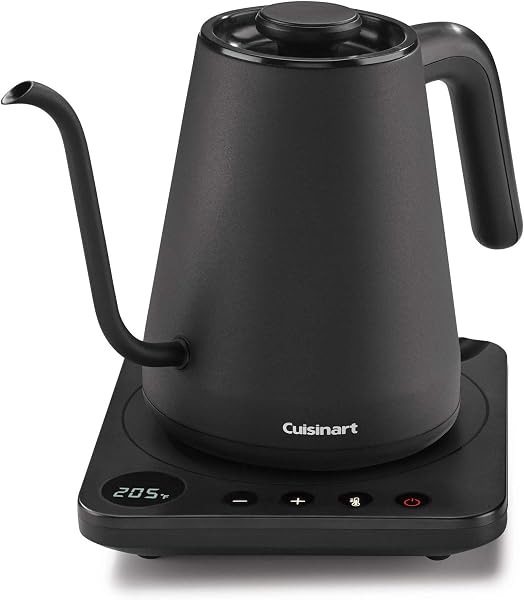
Cuisinart GK-1 Digital Gooseneck Kettle
Verdict: 4.3/5 | Amazon Rating: 4.4/5 (21,509 reviews) | ~$154.85
Sometimes home improvement means upgrading your daily rituals. The Cuisinart GK-1 Digital Gooseneck Kettle offers precise temperature control for coffee and tea enthusiasts. It’s a splurge, but if you start your day with pour-over coffee, it’s a worthwhile comfort upgrade. As noted in our full review, it’s one of the best gooseneck kettles for the money.
Comparison Table
| Feature | Barrina LED Shop Light FT | Roadbox UPF 50+ Shirt | Cuisinart GK-1 Kettle | |—

Final Verdict
Choosing home improvement projects doesn’t have to be a gamble. Follow the five-step framework—identify your motivation, assess your space, set a budget, evaluate ROI, and plan execution—and you’ll make smarter decisions that pay off in both enjoyment and value.
For most people, the Barrina LED Shop Light FT is the best first step. It’s affordable, easy to install, and instantly transforms dark spaces into functional ones. With a 4.5/5 verdict from our analysis of over 25,000 reviews, it’s a reliable choice that delivers immediate impact.
Ready to start your project? Pick one small improvement this weekend and see the difference it makes.
As an Amazon Associate, we earn from qualifying purchases. Our verdicts are based on real customer reviews, not affiliate commissions.
Browse all verdicts →