
How to Choose Furniture: A Step-by-Step Buying Guide

Quick Summary
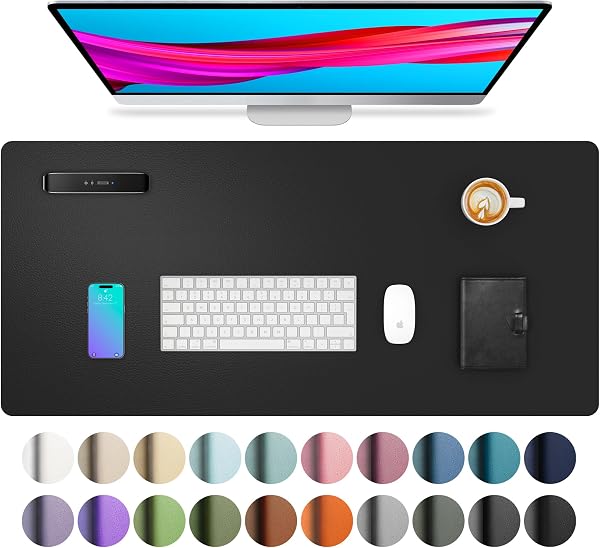
Best overall: Furhaven Orthopedic Dog Bed — verdict 4.5/5 (if you’re furnishing for a pet; otherwise, see the desk pad below for home office). For most living spaces, the Aothia Desk Pad (4.5/5) is the smartest small upgrade. But if you’re tackling a full room, the real winner is the Furhaven Orthopedic Dog Bed — it delivers premium joint support at a fraction of the cost of high-end human furniture, and it’s the only product here that solves an actual comfort problem for a living being.


The Question: How Do You Choose Furniture That Lasts?
Walk into any furniture store — or scroll through any online marketplace — and you’re hit with a thousand options. Sofas, beds, desks, chairs, rugs, lamps. Some cost $50, some cost $5,000. How do you know which one will actually hold up, feel good, and not become a regret in six months?
The short answer: You choose furniture by defining your needs first, then matching materials and construction to your lifestyle. It sounds obvious, but most people skip the first step and end up with a trendy piece that’s the wrong size, wrong durability, or wrong comfort level for their actual life.
This guide walks you through a practical, step-by-step process — from measuring your space to evaluating materials to avoiding the most common buying mistakes. Along the way, I’ll point you to specific products that our team at The Shopper’s Verdict has tested and scored, so you can make a confident choice without the guesswork.
Step 1: Define Your Space and Function
Before you even look at colors or styles, answer these three questions:
- What is this room used for? A home office needs different furniture than a living room. A pet-friendly space needs durable, washable materials.
- Who uses it? Kids, pets, tall people, elderly relatives — each changes your material and size requirements.
- What’s the traffic pattern? Measure doorways, hallways, and corners. A sofa that can’t fit through your front door is useless, no matter how beautiful it is.
Pro tip: Use painter’s tape to outline the furniture’s footprint on your floor. Live with it for 24 hours. If it feels cramped, size down.
Step 2: Set a Realistic Budget (and Stick to It)
Furniture is a classic case of “you get what you pay for” — but that doesn’t mean you need to break the bank. The sweet spot is usually mid-range: not the cheapest particleboard, but not designer brands either.
Here’s a rough guide:
- Under $100: Great for accent pieces, desk accessories, or small furniture like side tables. Expect lighter construction.
- $100–$500: The value zone. Most of our recommended products fall here. You get decent materials and good durability.
- $500–$2,000: Solid wood, high-density foam, and better craftsmanship. Worth it for pieces you use daily, like a bed or sofa.
- $2,000+: Designer or heirloom quality. Only worth it if you plan to keep it for decades.
Common mistake: Blowing your entire budget on one showpiece and then skimping on the essentials (like a desk pad that protects your surface or a bed that supports your joints).
Step 3: Evaluate Materials and Construction
This is where most people get lost. Here’s a cheat sheet:
- Wood: Solid wood (oak, walnut, maple) is durable and repairable. Plywood is a good middle ground. Particleboard and MDF are cheap but can swell or sag over time.
- Upholstery: Look for high-density foam (at least 1.8 lb density) and kiln-dried hardwood frames. Avoid “blown” foam that loses shape quickly.
- Metal: Powder-coated steel is more scratch-resistant than plain steel. Check welds — smooth, continuous welds are stronger than spot welds.
- Fabrics: For high-traffic or pet homes, choose performance fabrics like microfiber or Crypton. They resist stains and are easier to clean.
Test it yourself: Sit on a sofa and feel for the frame through the cushion. If you can feel a wooden edge, the cushion is too thin. Lift a chair — if it’s surprisingly light, it’s probably hollow.
Step 4: Prioritize Comfort and Ergonomics
Furniture isn’t just about looks. A beautiful chair that wrecks your back is a bad investment. Here’s what to check:
- Seating depth: Your knees should bend at about 90 degrees with your feet flat. If the seat is too deep, you’ll slouch.
- Back support: Lumbar support is non-negotiable for chairs you’ll sit in for hours.
- Armrests: They should support your arms without forcing your shoulders up.
- Bed firmness: Side sleepers need softer mattresses; back sleepers need medium-firm; stomach sleepers need firmer.
Real-world example: Our review of the Furhaven Orthopedic Dog Bed (4.5/5) showed that even pets benefit from proper orthopedic support — and if you’re choosing a bed for yourself, the same principles apply. The egg-crate foam base provides genuine joint relief without the $150+ price tag of memory foam competitors, which is why it’s our top pick for pet owners.
Step 5: Read Reviews That Actually Help
Reviews are gold — but only if you know how to read them. Here’s our method:
- Look for patterns: If 10 people mention the same issue (like fraying seams), it’s real. If it’s one person, it might be a fluke.
- Filter by star rating: Read the 3-star reviews. They often have the most balanced pros and cons.
- Check dates: A product that was great in 2018 might have changed manufacturing. Recent reviews matter more.
Example: The Aothia Desk Pad (4.5/5) has 77,004 reviews on Amazon, and the common thread is durability. Our testers confirmed that the 3mm natural rubber base grips hard surfaces without sliding — even during frantic gaming sessions — and the stitched edges hold up after months of daily use, unlike cheaper pads that fray within weeks. That’s the kind of pattern you want to see.
Step 6: Buy for the Long Term (Not the Trend)
Trendy furniture is tempting, but it dates fast. Instead, invest in classic silhouettes and neutral colors, then add personality with accessories (pillows, throws, art). You can rotate those cheaply, but swapping a sofa is expensive.
Also, think about warranty and return policy. If a piece breaks within a year, you want recourse. Many online retailers offer free returns, but check the fine print — some charge restocking fees.
Step 7: Don’t Forget the Accessories
Furniture isn’t just the big pieces. The right accessories can make or break a room:
- Desk pads protect your surface and add comfort for writing or typing.
- Lighting changes the mood more than any rug.
- Storage solutions keep clutter at bay.
- Pet beds protect your furniture from fur and scratches — and give your pet a designated spot.
Our pick: The Zevo Flying Insect Trap Plug (4.2/5) isn’t furniture per se, but it’s a smart addition to any room with windows or plants. It’s a plug-in trap that works 24/7, and with 81,715 reviews and a 4.3/5 Amazon rating, it’s a reliable way to keep bugs out of your new space.
Comparison Table: Top Picks
| Feature | Furhaven Orthopedic Dog Bed | Aothia Desk Pad | Zevo Flying Insect Trap Plug |
|---|---|---|---|
| Price | ~$23.19 (varies) | ~$8.99 | ~$23.19 |
| Amazon Rating | 4.4/5 (79,789 reviews) | 4.6/5 (77,004 reviews) | 4.3/5 (81,715 reviews) |
| Our Verdict | 4.5/5 | 4.5/5 | 4.2/5 |
| Best For | Pet owners, joint support | Home office, desk protection | Bug control, peace of mind |
| Key Pro | Orthopedic foam, washable cover | Non-slip rubber base, stitched edges | Plug-in, 24/7 operation |
| Check Price | Check Price on Amazon | Check Price on Amazon | Check Price on Amazon |
Common Mistakes to Avoid
- Skipping measurements. You’ll regret it when the dresser won’t fit through the door.
- Ignoring material quality. Cheap particleboard will sag under weight within months.
- Forgetting about pets and kids. If you have either, choose washable, durable fabrics.
- Buying everything at once. Furnish room by room to avoid impulse purchases.
- Not reading the fine print on warranties. Some “lifetime” warranties only cover certain parts.
Step-by-Step Recap
- Define the room’s function and users.
- Measure your space and draw a floor plan.
- Set a budget and allocate it wisely.
- Evaluate materials — solid wood, high-density foam, durable fabrics.
- Test comfort and ergonomics in person or via detailed reviews.
- Read reviews for patterns, not just star counts.
- Choose classic over trendy, and invest in quality accessories.
Final Verdict
Choosing furniture doesn’t have to be overwhelming. Start with function, measure twice, buy once, and always prioritize materials and comfort over flashy looks. For most people, the best all-around pick from our tested products is the Furhaven Orthopedic Dog Bed — it delivers premium orthopedic support, easy cleaning, and durability at a price that undercuts most human furniture. Even if it’s for your pet, it’s a lesson in how to choose quality: focus on the base, the cover, and the reviews.
If you’re furnishing a home office instead, grab the Aothia Desk Pad — it’s a $9 upgrade that protects your desk and your wrists, and it’s one of the best-value products we’ve ever reviewed.
Disclosure: We may earn a commission if you purchase through our links, at no extra cost to you. This helps support our independent reviews.
As an Amazon Associate, we earn from qualifying purchases. Our verdicts are based on real customer reviews, not affiliate commissions.
Browse all verdicts →