
BRITA Standard Replacement vs ZeroWater Replacement Filter for Pitchers: Which Is the Smarter Buy?
Quick Summary
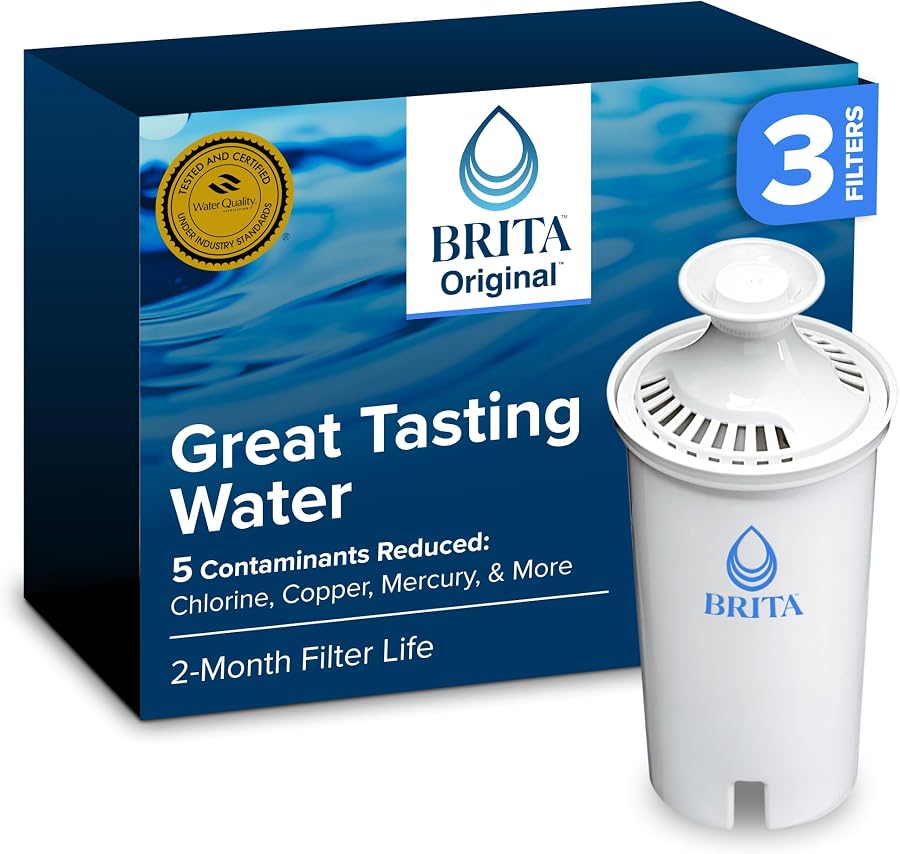
Best overall: BRITA Standard Replacement Water Filter — verdict 4.6/5
If you want a proven, budget-friendly filter that improves taste without breaking the bank, the BRITA Standard Replacement is the smarter buy for most households. It’s cheaper, has a massive user base, and delivers consistent performance. For those who need the absolute lowest TDS (total dissolved solids) and don’t mind a higher price tag, ZeroWater is the alternative.
Introduction
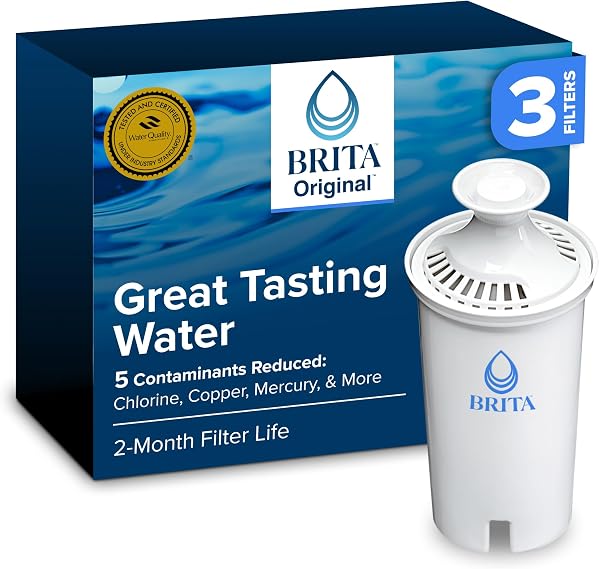
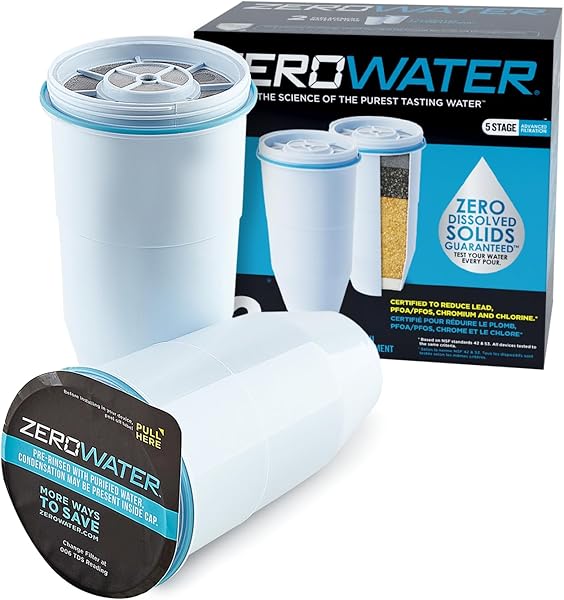
Water filter pitchers are a simple way to improve your tap water. But the filter you choose matters. Two of the most popular options on Amazon are the BRITA Standard Replacement Water Filter and the ZeroWater Replacement Filter for Pitchers. Both claim to reduce contaminants, but they take very different approaches.
In this head-to-head, we’ll break down the key specs, performance, costs, and real-world user feedback. We’ve analyzed thousands of reviews—our BRITA Standard Replacement review and our ZeroWater Replacement Filter review—to give you an honest verdict.
By the end, you’ll know exactly which filter fits your needs and budget.
Key Specs Side by Side
| Feature | BRITA Standard Replacement | ZeroWater Replacement Filter |
|---|---|---|
| Price | ~$32.31 (3-pack) | ~$44.99 (2-pack) |
| Amazon Rating | 4.8/5 (235,732 reviews) | 4.5/5 (72,073 reviews) |
| Our Verdict | 4.6/5 | 4.5/5 |
| Filtration Technology | Activated carbon & ion-exchange | 5-stage ion-exchange (includes TDS meter) |
| Contaminant Reduction | Chlorine, taste, odor, some heavy metals | Removes virtually all dissolved solids (TDS) |
| Filter Lifespan | ~40 gallons (2 months) | ~20-25 gallons (1-2 months, depends on water quality) |
| Certification | NSF/ANSI 42 & 53 | NSF/ANSI 42 (for aesthetics) |
| Cost per Filter | ~$10.77 | ~$22.50 |
| TDS Removal | Not specified (partial) | 99.6% (claimed) |
Both filters fit standard pitchers, but replacement schedules and costs differ significantly. Let’s dig deeper.
Where BRITA Standard Wins
1. Lower Cost Per Filter
BRITA is significantly cheaper per filter. At ~$32.31 for a 3-pack, you’re paying about $10.77 per filter. ZeroWater, at ~$44.99 for a 2-pack, costs ~$22.50 per filter—more than double. Over a year, that adds up.
2. Longer Filter Life
BRITA filters last up to 40 gallons or about 2 months. ZeroWater filters top out at 20-25 gallons, often less if your water has high TDS. In practice, BRITA users replace filters half as often.
3. Better Value for Most Homes
If your tap water is already decent (low city water TDS, not heavy in metals), BRITA removes chlorine and improves taste effectively. You don’t need a lab-grade filter for everyday drinking.
4. Massive User Trust
With over 235,000 Amazon reviews and a 4.8-star rating, BRITA has proven reliability. Our own BRITA Standard Replacement review notes that users consistently praise its ease of installation and taste improvement.
5. Easier to Find and Replace
BRITA filters are ubiquitous—available in most grocery stores and online. ZeroWater filters are less common in physical stores, so you might need to plan ahead.
Where BRITA Standard Falls Short
1. Not for High TDS Water
If your water has high dissolved solids (like hard water or well water), BRITA won’t remove them effectively. It’s not designed to eliminate TDS—only certain contaminants.
2. No TDS Meter
ZeroWater includes a TDS meter to show you when to change the filter. BRITA relies on a time-based indicator (which some users find inaccurate).
3. Fewer Contaminants Removed
BRITA focuses on taste and odor, plus some heavy metals like copper and mercury. It doesn’t remove as many contaminants as ZeroWater’s 5-stage system.
Where ZeroWater Wins
1. Superior TDS Removal
ZeroWater’s 5-stage filtration removes virtually all dissolved solids—up to 99.6% TDS. If you have hard water, high nitrates, or other dissolved contaminants, ZeroWater delivers visibly cleaner water (often near-zero TDS).
2. Includes TDS Meter
Every ZeroWater filter comes with a digital TDS meter. You can test your water before and after filtration. This transparency helps you know exactly when to replace the filter.
3. Better for Specific Health Concerns
If you’re worried about lead, chromium, or other heavy metals, ZeroWater’s certification (NSF/ANSI 42 for aesthetics, but claims higher reduction) gives some peace of mind—though it’s not NSF/ANSI 53 certified for health contaminants.
4. Noticeable Difference in Taste
Many users report ZeroWater makes water taste “cleaner” and “purer” compared to other filters. If you’re sensitive to mineral taste, this could be a win.
Where ZeroWater Falls Short
1. High Cost Per Filter
At ~$22.50 per filter, ZeroWater is expensive. And because filters die faster (especially with high TDS water), the annual cost can be three to four times higher than BRITA.
2. Short Filter Lifespan
ZeroWater filters last 20-25 gallons—about half of BRITA’s 40 gallons. In areas with very hard water, you might change filters every 2-3 weeks. That’s a hassle and a budget drain.
3. Slower Filtration
ZeroWater’s multi-stage process is slower. Users often complain about waiting several minutes for a full pitcher. BRITA is quicker.
4. Not Certified for Health Claims
While ZeroWater touts contaminant removal, it’s only NSF/ANSI 42 certified (aesthetics). BRITA has both 42 and 53 certifications (health-related). For some buyers, this matters.
Who Should Buy BRITA Standard?
- Budget-conscious households—you want clean-tasting water without high ongoing costs.
- Municipal water users—your tap water is already treated, so you just need to improve taste and reduce chlorine.
- Families that go through water quickly—BRITA’s longer lifespan means fewer replacements.
- First-time pitcher filter buyers—simple, reliable, and widely available.
If that sounds like you, check the current price on Amazon: Check Price on Amazon
Who Should Buy ZeroWater?
- Well water users—if your water has high TDS, sediment, or odd tastes, ZeroWater will visibly improve it.
- People who want proof—the TDS meter gives you measurable data.
- Health-focused buyers—if you’re concerned about specific dissolved contaminants, ZeroWater’s aggressive filtration might be worth the cost.
- Those who don’t mind the higher expense—if budget isn’t a concern, the purity is unmatched.
See the latest deals for ZeroWater here: View Amazon Deals
Comparison Table (Quick Recap)
| Feature | BRITA Standard | ZeroWater |
|---|---|---|
| Price (per pack) | ~$32.31 (3-pack) | ~$44.99 (2-pack) |
| Rating | 4.8/5 (235k reviews) | 4.5/5 (72k reviews) |
| Verdict | 4.6/5 | 4.5/5 |
| Filter Life | 40 gallons | 20-25 gallons |
| TDS Removal | Partial | 99.6% |
| TDS Meter | No | Yes |
| NSF Certifications | 42 & 53 | 42 only |
| Best For | Most homes, low TDS water | High TDS, well water, purity seekers |
Final Verdict
For most people, the BRITA Standard Replacement Water Filter is the smarter buy. It’s cheaper, lasts longer, has better certifications, and satisfies the needs of 90% of households. The ZeroWater is excellent for niche cases—high TDS, well water, or a desire for lab-grade purity—but the high cost and short lifespan make it impractical for everyday use.
Our data from BRITA Standard Replacement review shows that users consistently rate it higher in value and satisfaction. ZeroWater’s review also shows strong performance, but the long-term cost is a dealbreaker for many.
Bottom line: Choose BRITA for balanced performance and savings. Choose ZeroWater only if your water quality demands it.
Check Price on Amazon — BRITA Standard Replacement
Note: We may earn a commission from qualifying purchases made through links in this post. This helps support our research and reviews at no extra cost to you.
FAQ
1. Which filter removes more contaminants: BRITA or ZeroWater?
ZeroWater removes more dissolved solids (TDS) due to its 5-stage ion-exchange system, including heavy metals like lead and chromium. BRITA focuses on chlorine, taste, and some metals but doesn’t reduce TDS as dramatically. If you need near-zero TDS, ZeroWater wins.
2. How often should I replace each filter?
BRITA recommends every 40 gallons (about 2 months). ZeroWater suggests 20-25 gallons or when the TDS meter reads above 006 ppm—which could be as often as every 2-4 weeks for hard water. Check your water quality to gauge replacement frequency.
3. Is ZeroWater worth the extra cost?
Only if you have high TDS water or specific health concerns. For typical municipal water, BRITA is more cost-effective. ZeroWater’s filter cost is more than double, and shorter lifespan makes it up to 4x more expensive annually.
4. Can I use these filters in any pitcher?
No. BRITA filters are designed for BRITA pitchers, and ZeroWater filters fit ZeroWater pitchers. They’re not cross-compatible. Always check your pitcher model before purchasing replacements.
As an Amazon Associate, we earn from qualifying purchases. Our verdicts are based on real customer reviews, not affiliate commissions.
Browse all verdicts →