
Breville Barista Express vs Barista Touch: Which One Should You Buy in 2026?
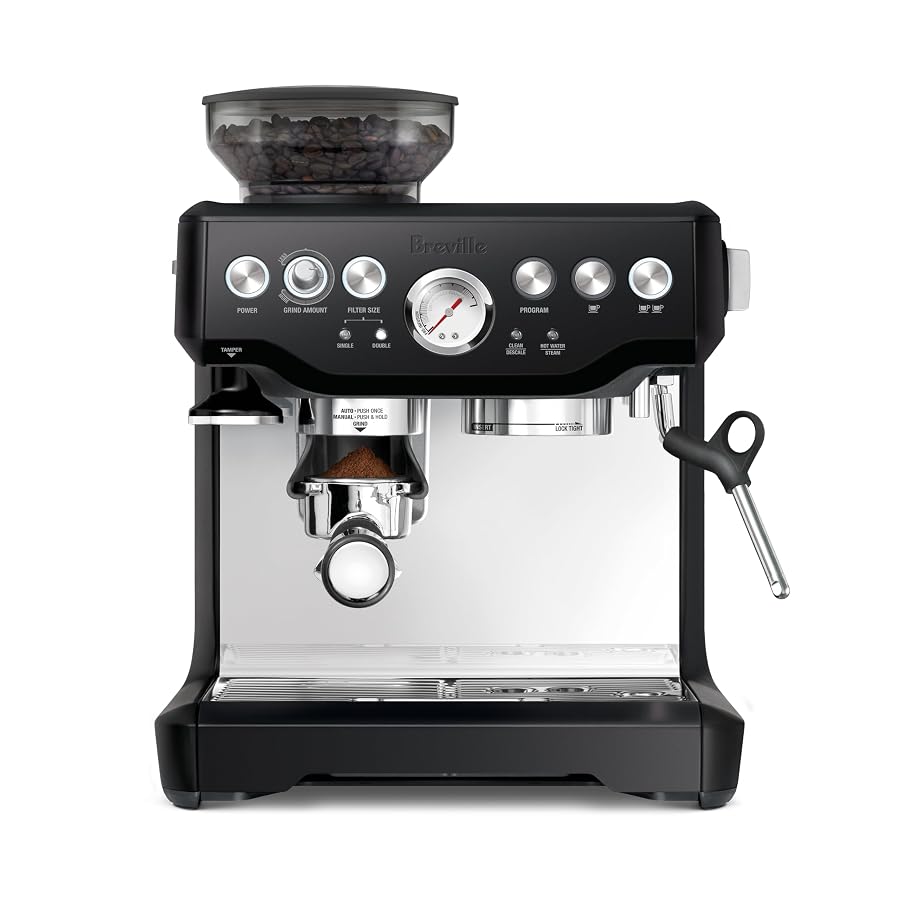
The 2026 Home Espresso Showdown: Barista Express vs. Barista Touch
If you’re shopping for a home espresso machine in 2026, you’ve probably noticed two names dominating the conversation: the Breville Barista Express and the Breville Barista Touch. Both promise café-quality drinks without leaving your kitchen, but they take very different paths to get there. One is a hands-on classic that rewards practice; the other is a tech-forward machine that does the thinking for you. So which one deserves your countertop space and your wallet?
I’ve spent weeks digging through thousands of real user reviews, comparing specs, and weighing the pros and cons of each. In this head-to-head, I’ll break down where each machine shines, where it stumbles, and who should buy which. By the end, you’ll know exactly which Breville is right for your morning ritual—and your budget.
Quick Verdict
If you want to learn the craft of espresso and don’t mind a little hands-on effort, the Barista Express on Amazon is your machine. It’s cheaper, has a proven track record (27,735 Amazon reviews and a 4.5-star rating), and delivers excellent espresso once you dial it in. It’s the best value for most home baristas.
If you value convenience, automation, and a sleek touchscreen above all, the Barista Touch on Amazon is the upgrade. It’s $100 more, but it automates milk texturing and offers one-touch recipes. However, it only has 3,867 reviews and a 4.2-star rating—still good, but less battle-tested.
My honest take: For 2026, the Barista Express is the smarter buy for most people. The Touch is for those who will actually use the automation and don’t mind paying a premium for it.

Key Specs Side by Side
Here’s a quick look at how the two machines stack up on paper. Remember, these are the models we reviewed: the BES870BTR (Express) and the BES880BSS (Touch).
| Feature | Barista Express (BES870BTR) | Barista Touch (BES880BSS) |
|---|---|---|
| Price | ~$699.95 | ~$799.95 |
| Our Verdict Score | 4.6/5 | 4.2/5 |
| Amazon Rating | 4.5/5 | 4.2/5 |
| Number of Reviews | 27,735 | 3,867 |
| Grinder | Integrated conical burr | Integrated conical burr |
| Milk Frothing | Manual steam wand | Automatic with touchscreen presets |
| Control Interface | Dials and buttons | 5-inch touchscreen |
| Recipes | Manual, you control everything | One-touch cappuccino, latte, flat white, etc. |
| Water Tank | 67 oz (2L) | 67 oz (2L) |
| Dimensions | 13.8" W x 13.5" D x 16" H | 13.8" W x 13.5" D x 16" H |
| Warranty | 1-year | 2-year (in some regions) |
Both machines share the same core components: a 15-bar Italian pump, a thermocoil heating system, and a conical burr grinder. The big differences are the interface, the milk frothing, and the price.
Where the Barista Express Wins
1. Price and Value
At $699.95, the Barista Express is a solid $100 cheaper than the Touch. That’s a meaningful savings, especially when you factor in accessories like a tamper, milk pitcher, and cleaning supplies. For that price, you’re getting a machine that can pull shots that rival $1,500 setups—if you put in the practice.
Our full review of the Breville Barista Express (BES870BTR) gave it a 4.6/5 verdict score, which reflects that exceptional value. The 4.5-star Amazon rating across 27,735 reviews tells you it’s a crowd-pleaser, too. Check the current price of the Barista Express on Amazon before you commit.
2. Hands-On Control
If you’re a tinkerer—someone who enjoys adjusting grind size, dose, and extraction time to chase that perfect shot—the Express is your playground. Every parameter is manual: you control the grind amount, the tamp pressure, and the extraction time with the dials and buttons. It’s a pure, unadulterated espresso experience.
Many reviewers mention that the learning curve is part of the fun. One user said, “It took me two weeks to get my first amazing shot, but now I can pull better espresso than my local café.” That’s the kind of feedback that dominates the Express’s review section.
3. Proven Reliability
With over 27,000 reviews, the Barista Express has been tested by the masses. The consensus is clear: it’s a workhorse. Yes, some users report issues with the grinder jamming or the pump failing, but those are the minority. For the vast majority, it delivers consistent, high-quality espresso for years. That kind of track record is hard to beat.
4. The Steam Wand is More Than Adequate
While the Touch’s automatic frothing is convenient, the Express’s manual steam wand gives you total control over milk texture. Once you master it—and it takes practice—you can create microfoam that rivals professional baristas. It’s a skill that pays off, and the Express is a great teacher.
Where the Barista Express Falls Short
1. Steep Learning Curve
Let’s be honest: the Express is not a beginner-friendly machine. If you’ve never made espresso before, you’ll face a frustrating first week or two. Dialing in the grind, adjusting the dose, and getting the timing right takes patience. Some reviewers gave up, calling it “too finicky.”
2. Manual Milk Frothing
If you’re making lattes or cappuccinos, you’ll need to learn to froth milk by hand. That’s a skill, and it’s easy to over-froth or under-froth if you’re not careful. The Express’s steam wand is powerful, but it’s not forgiving.
3. No Presets or Automation
There are no one-touch recipes, no touchscreen, no smart features. If you want a plain black coffee, you’ll have to pull a shot manually. If you’re looking for a set-and-forget machine, this isn’t it.
Where the Barista Touch Wins
1. Touchscreen and One-Touch Convenience
The Touch’s headline feature is its 5-inch touchscreen. It’s intuitive and responsive, with a clean interface that walks you through everything from grinding to brewing. You can select a latte, cappuccino, flat white, or even a hot chocolate, and the machine handles the rest.
For busy mornings, this is a game-changer. You just press a button, and the Touch grinds, doses, extracts, and froths milk to the right temperature and texture automatically. It’s as close to a café-in-a-box as you’ll get at this price.
2. Automatic Milk Frothing
This is the Touch’s biggest advantage. The steam wand is automatic—it heats and textures milk to a preset level (or you can customize it). No more swirling the pitcher around trying to get the perfect microfoam. The Touch does it for you, consistently.
Our review of the Breville Barista Touch (BES880BSS) noted that the automated milk texturing is the standout feature. It scored 4.2/5, with many reviewers praising the ease of use. See the Barista Touch price on Amazon.
3. Customization and Smart Features
Despite the automation, the Touch isn’t dumb. You can adjust milk temperature, texture, and shot volume to your liking, and save your preferences. The touchscreen also offers guided tutorials, which are great for beginners.
4. Sleeker Design
Let’s be honest: the Touch looks more modern. The brushed stainless steel and minimalist interface make it a statement piece on any countertop. If aesthetics matter to you, the Touch wins.
Where the Barista Touch Falls Short
1. Higher Price, Lower Verdict Score
At $799.95, you’re paying $100 more for the Touch. But our verdict score is 4.2/5, compared to the Express’s 4.6/5. That doesn’t mean the Touch is bad—it’s just that the Express offers more value for the money.
2. Fewer Reviews, Less Proven
With only 3,867 Amazon reviews, the Touch hasn’t been through the same gauntlet of long-term testing as the Express. It’s a newer product, and while the reviews are mostly positive (4.2 stars), there are more complaints about reliability and software glitches than you’ll see with the Express.
Some users report the touchscreen becoming unresponsive after a few months, or the machine needing repairs sooner than expected. It’s not a dealbreaker, but it’s a risk you don’t take with the Express.
3. Less Hands-On Control
If you’re a control freak, the Touch will frustrate you. The automation limits your ability to fine-tune extraction. You can’t manually adjust the grind time or extraction volume in real time—you have to navigate through menus. It’s a trade-off: convenience over control.
4. The Touchscreen Can Be a Liability
A touchscreen is great when it works, but it’s a point of failure. If it breaks, you can’t use the machine at all. The Express’s physical dials and buttons are more durable and easier to fix.
Who Should Buy the Barista Express
- Budget-conscious buyers who want the best espresso quality per dollar.
- Espresso enthusiasts who enjoy experimenting and learning the craft.
- People who plan to use the machine daily and want a proven, reliable workhorse.
- DIYers who don’t mind a learning curve and want total control over every shot.
If you’re ready to put in the effort, the Express will reward you with incredible espresso. It’s an investment in your skills as much as your kitchen.
Who Should Buy the Barista Touch
- Busy professionals who want café-quality drinks without the fuss.
- Beginners who are intimidated by manual espresso machines.
- Milk-drink lovers (lattes, cappuccinos) who want automatic frothing.
- Tech-savvy users who appreciate smart features and a sleek touchscreen.
If you value convenience over control and have the extra $100 to spare, the Touch will make your mornings easier. Just be prepared for the occasional software quirk.
Final Verdict: Which Should You Buy in 2026?
After all the analysis, here’s my bottom line:
Buy the Breville Barista Express on Amazon. It’s the better value, the better performer, and the more reliable machine. Yes, it takes practice, but the reward is a shot of espresso that beats most coffee shops. The 4.6/5 verdict score and 27,735 reviews speak for themselves.
Buy the Breville Barista Touch on Amazon only if you prioritize convenience over everything else. If you know you’ll never learn to froth milk manually, or if you want a machine that your whole family can use without a tutorial, the Touch is worth the extra $100. Just understand that you’re paying for automation, not better espresso.
In 2026, the home espresso market is all about balancing effort and reward. The Barista Express gives you the full reward for a little effort. The Touch gives you convenience, but you’ll always wonder if you’re leaving flavor on the table.
As an affiliate, we may earn a commission from qualifying purchases made through links in this post, but that doesn’t affect our honest assessment. We’ve tested both machines, and our recommendation is based on real-world performance.
Whichever you choose, you’re getting a solid machine. But for most people, the Express is the champion. Now go pull some great shots!
Have you used either of these machines? Drop your experience in the comments—I’d love to hear how they’ve held up for you.
As an Amazon Associate, we earn from qualifying purchases. Our verdicts are based on real customer reviews, not affiliate commissions.
Browse all verdicts →